 By
By “Where we’re going, we don’t need… roads.”
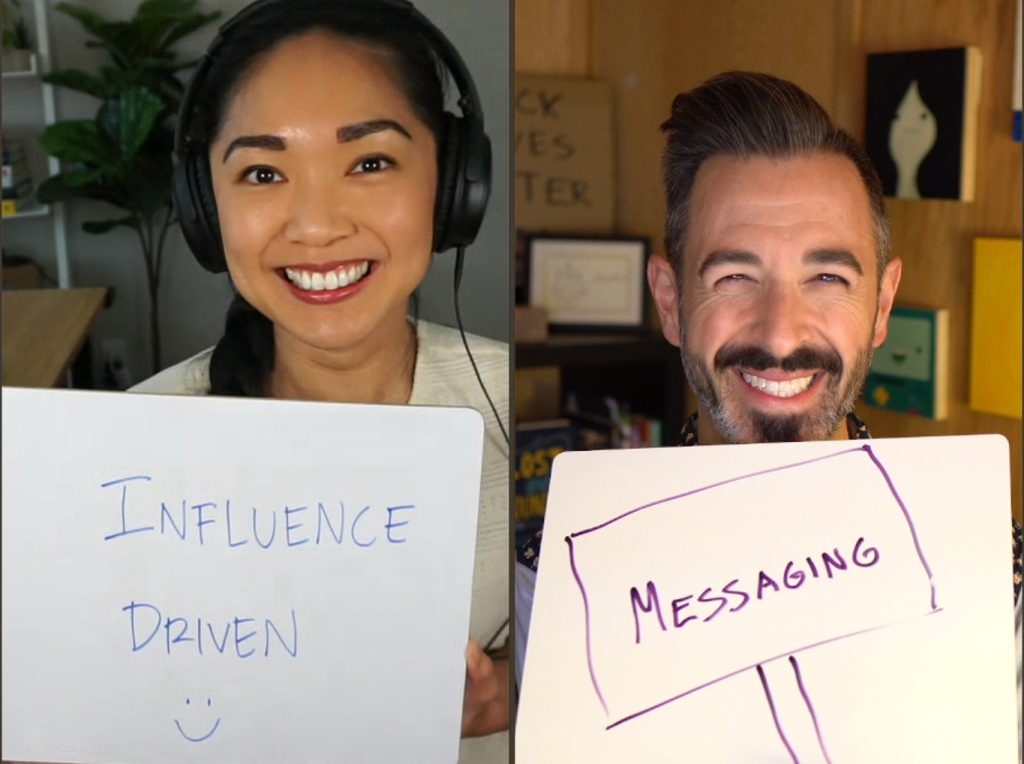
Slip on your self-lacing Nike Mags, and buckle up in the DeLorean. We’re going back to 2021 to that time I (Amanda) presented on writing influence-driven marketing messaging.
A lot has changed since then. AI wasn’t yet swallowing every marketing conversation whole, “zero-click” was just starting to take off, and plenty of marketers were still treating messaging like a thin layer of polish instead of the strategic core of how a brand earns attention, trust, and demand. But this session still holds up. Because if you want marketing that resonates, you still need to understand what your audience cares about, how they see themselves, and what kind of language actually moves them.
Just remember that the SparkToro audience research tool has changed considerably since this webinar aired. So while we stand by the broader themes, the SparkToro screenshots don’t (completely) apply.
What You’ll Learn
In this session, Amanda and Rand break down what effective marketing messaging actually does, why it matters, and how audience research can help marketers create messaging that resonates. You’ll learn:
- Why strong messaging matters in the first place, including its role in telling a consistent brand story, conveying value, attracting the right customers, evoking the right emotions, and setting accurate expectations.
- What effective marketing messaging tends to have in common, including specificity, benefit-driven language, emotional resonance, memorability, and category creation.
- Real-world examples of messaging in action, with breakdowns of how brands like Zapier, Nike, Recess, Marketo, Gong, Calendly, SavvyCal, and mattress companies differentiate in crowded markets.
- How to study competitive categories to uncover stronger messaging, especially in B2B services, SaaS, and consumer products where offerings can otherwise blur together.
- How audience research can inform messaging strategy, including how SparkToro data can reveal the language, interests, identity markers, and sources of influence that shape how customers see themselves.
- A practical example from Amanda’s time at Fitbit, where audience research helped shape messaging for HR and benefits leaders by identifying how they thought about themselves and what motivated them.
- How marketers can use audience language, not just search data, to write messaging that sounds more native to the customer’s world and less like generic brand copy.
Have fun!
Note: We recorded this webinar on October 2021. My, how time flies! Any screenshots of SparkToro are now outdated, but we think the takeaways from this episode stand the test of time. If you want more, peep the SparkToro Office Hours library.